
Let’s be honest – body hair is completely natural and beautiful. Many of us spend considerable time removing it when most people around us barely notice. However, there’s something undeniably satisfying about the silky-smooth feeling of freshly waxed skin against clean sheets or the confidence boost when applying sunscreen on holiday without worrying about stubble.
If you’re considering waxing for the first time and want to understand what to expect, you’ve come to the right place. This comprehensive guide will walk you through everything you need to know before booking your first appointment.
Understanding Waxing Basics
Waxing is a semi-permanent hair removal method that works by extracting hair directly from the follicle. During a professional treatment, your therapist will apply warm wax to the desired area, which adheres to the hair. When removed (either by peeling off hardened wax or pulling away fabric strips), it uproots the entire hair shaft, leaving your skin smooth for weeks.
Unlike shaving, which merely cuts hair at the surface, waxing removes it completely from the root. This means results typically last between 2-6 weeks, depending on your individual hair growth cycle. Additionally, with regular waxing, hair often grows back finer and sometimes even reduces in quantity over time.
The beauty of waxing lies in its versatility – it works brilliantly on virtually any body part, from delicate facial areas to more substantial growth zones like legs and the bikini region. It’s particularly effective for hard-to-reach spots that are difficult to reach with razors.
Which Areas Work Best for Waxing?
Waxing proves effective across the entire body, catering to various hair types and densities. For facial areas with finer, lighter hair – such as upper lip, chin, or eyebrows – precision waxing delivers excellent results without the daily maintenance required by other methods.
For larger body sections like legs, arms, back, and chest, waxing offers extended smoothness that shaving simply cannot match. These areas benefit tremendously from waxing’s longer-lasting results, especially during summer months or holidays when constant maintenance becomes tiresome.
The underarm and intimate regions represent perhaps the most popular waxing zones. These sensitive areas often suffer from shaving-related issues like irritation, ingrown hairs, and rapid regrowth. Professional waxing significantly reduces these problems while providing weeks of smoothness.
The Pain Factor: What to Expect
We won’t sugarcoat this – waxing can be uncomfortable, particularly for newcomers. Your first session will help determine your personal pain tolerance, which varies significantly between individuals. Some find the sensation quite manageable, while others find it more challenging.
The level of discomfort typically depends on several factors:
- The treatment area (sensitive zones like bikini lines tend to be more uncomfortable)
- Your hair thickness and density
- Your personal pain threshold
- Timing relative to your menstrual cycle (sensitivity often increases just before and during periods)
For your initial appointment, consider taking a mild anti-inflammatory, such as ibuprofen, about 30 minutes beforehand, if medically appropriate for you. This can help reduce both discomfort and any potential swelling.
Remember that experienced therapists understand first-timer concerns and will typically begin with less sensitive areas if you’re having multiple regions waxed. They’ll also work efficiently to minimise discomfort duration.
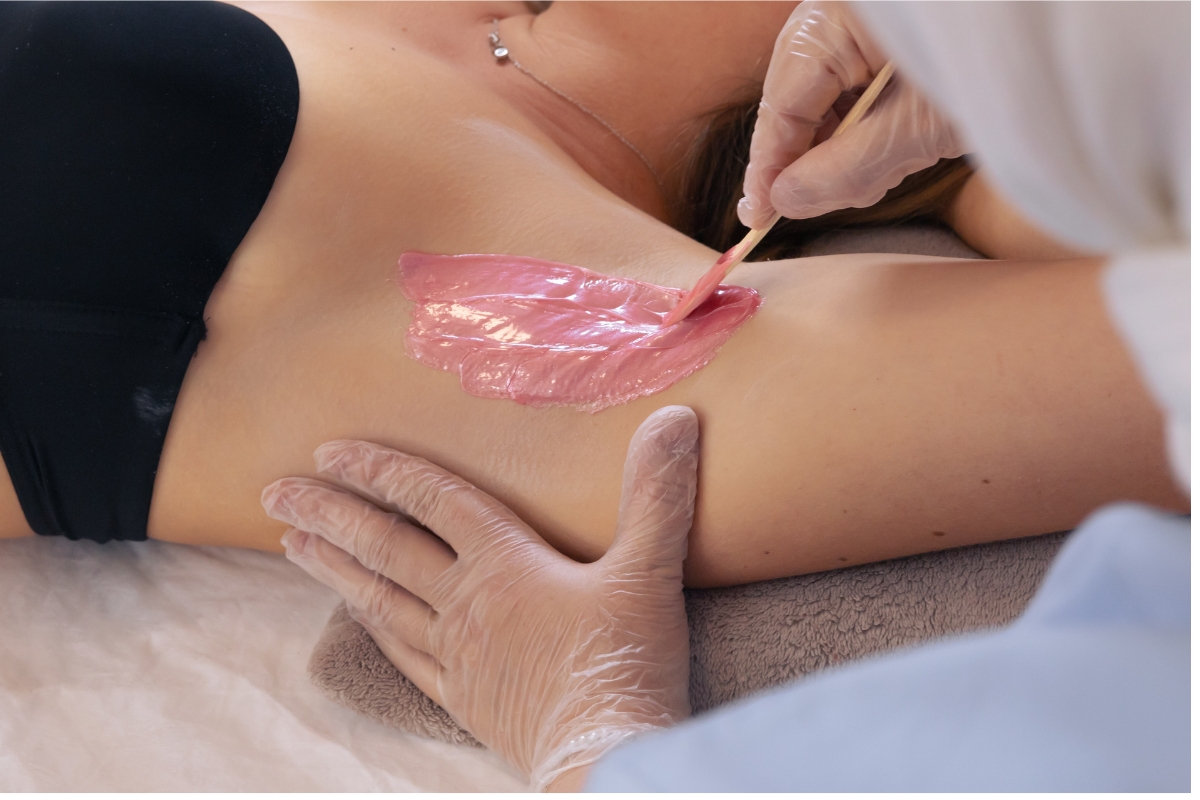
Choosing the appropriate salon significantly impacts your waxing experience, especially for first-timers. Look for establishments with specific expertise in waxing treatments rather than places that offer it as merely one service among dozens.
When researching potential salons, consider these factors:
- Reviews specifically mentioning waxing services
- Hygiene practices (therapists should never double-dip spatulas)
- Qualifications and experience of the beauty professionals
- The range of waxing services offered (specialists typically provide more options)
- The salon environment (clean, private, and comfortable)
Don’t hesitate to ring ahead with questions about their approach to first-time clients. Professional salons welcome such enquiries and will happily explain their techniques and aftercare recommendations.
Preparing for Your First Waxing Session
Proper preparation ensures optimal results from your waxing treatment. Contrary to what many assume, you shouldn’t trim or shave beforehand – your therapist needs sufficient hair length to work with effectively.
For best results:
- Allow hair to grow to approximately 1/4 inch (about 2-3 weeks of growth after shaving)
- Gently exfoliate the area 1-2 days before your appointment to remove dead skin cells
- Avoid intense sun exposure or sunbeds for at least 48 hours prior
- Arrive with clean skin free from lotions, oils or deodorants
- Wear loose, comfortable clothing to your appointment
If you’re particularly concerned about discomfort, taking a mild painkiller approximately 30 minutes before your appointment may help reduce sensitivity.
Upon arrival, your therapist will discuss your requirements and explain the procedure. For intimate waxing, you’ll typically be provided with disposable underwear or towels to maintain modesty.
During the treatment:
- Try to relax your muscles – tension can actually increase discomfort
- Focus on steady breathing through any momentary discomfort
- Communicate with your therapist if you need a brief pause
- Avoid touching freshly waxed areas, as this can transfer bacteria
The entire process typically takes between 15 and 60 minutes, depending on the areas being treated. Your therapist will likely finish by applying a soothing lotion to calm the skin and reduce any redness.
Essential Aftercare for Lasting Results
The 24-48 hours following your wax are crucial for preventing irritation and ingrown hairs. During this period, your pores remain open, and the skin is more sensitive than usual.
For optimal recovery:
- Avoid hot showers, baths, saunas or steam rooms for 24 hours
- Skip strenuous exercise that causes excessive sweating
- Don’t apply perfumed products, deodorants or makeup to the waxed area
- Wear loose-fitting clothing to prevent friction and irritation
- Stay out of direct sunlight and avoid sunbeds
- Apply a gentle, alcohol-free moisturiser regularly
After the initial recovery period, begin gentle exfoliation (2-3 times weekly) to prevent ingrown hairs. This helps remove dead skin cells that might otherwise trap new hair growth beneath the surface.

Planning Your Waxing Schedule
For those who embrace regular waxing, establishing an appropriate schedule maximises the benefits. Most people find a 4-6 week interval works well, though this varies based on individual hair growth patterns.
If you’re waxing for a special occasion or holiday, book your appointment 2-3 days beforehand. This timing allows any initial redness to subside while ensuring maximum smoothness for your event.
For optimal long-term results, consistency is key. Regular waxing weakens hair follicles over time, often resulting in finer, sparser regrowth and longer intervals between treatments.
Common First-Timer Questions Answered
Can I shave between waxing appointments?
It’s best to avoid shaving between sessions as this disrupts the hair growth cycle and reduces the effectiveness of future waxing treatments.
Is waxing suitable for sensitive skin?
Most people with sensitive skin can wax successfully, though patch testing is advisable. Inform your therapist about any skin conditions or sensitivities beforehand.
What about waxing during pregnancy?
While generally safe after the first trimester, always consult your healthcare provider first. Pregnancy can increase skin sensitivity, so treatments may feel more uncomfortable than usual.
How long will the results last?
Typically 2-6 weeks, depending on your individual hair growth cycle and the treatment area.
Waxing offers a fantastic alternative to daily shaving routines, providing longer-lasting smoothness and potentially reducing hair growth over time. While the first session might feel daunting, proper preparation and aftercare will help ensure a positive experience with excellent results.

Alea Ward is the owner of Rehab Beauty, a premier beauty salon located in West Bridgford, Nottingham. Celebrating ten years of excellence in beauty treatments, Alea is known for her meticulous attention to detail and comprehensive approach to client care. She has established a strong reputation for delivering exceptional beauty services while maintaining a welcoming and professional atmosphere for all her clients.